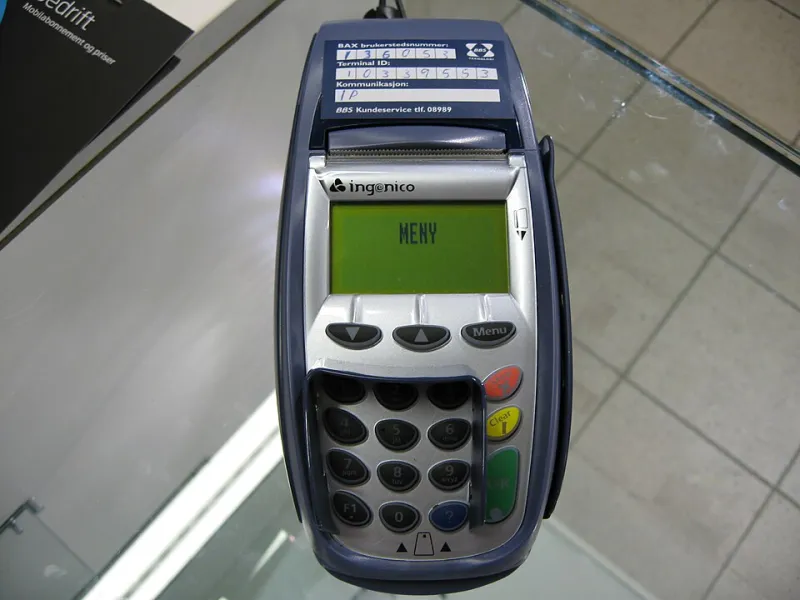
The Price of Plastic: How Card Surcharges Are Reshaping the American Checkout
At a coffee counter, a home-services invoice, or an online cart, the final screen can present a familiar total with one unfamiliar addition: a fee for paying by credit card. Sometimes it is labeled a surcharge. Sometimes it appears as a cash discount offered in reverse. Sometimes it is buried in a service charge that is not clearly connected to the card at all.
The practice is not new, but it has become more visible as merchants confront processing costs, reward-card interchange, and thin margins. For consumers, the challenge is distinguishing a lawful, disclosed surcharge from a fee that exceeds network rules, applies to the wrong card type, or conflicts with state law. The difference matters because a few percentage points at every checkout can add up over a year.
Why the surcharge is spreading
Card acceptance is not free for merchants. Processors charge for authorization, settlement, gateway access, chargebacks, and related services. Premium rewards cards can cost more to accept than basic cards. In a low-margin business, those costs can be difficult to absorb.
Merchants generally have two ways to reflect the cost at the point of sale. A surcharge adds an extra amount when a customer pays by credit card. A cash discount reduces the price for customers who pay by cash or another lower-cost method. The two approaches can look similar on a receipt, but they are treated differently under card-network rules and state law.
The network floor: disclosure, caps, and card type
Visa and Mastercard rules generally permit credit card surcharges only when several conditions are met. The surcharge must be disclosed clearly before the customer pays and must appear on the receipt. It must apply only to credit cards, not debit cards. It cannot exceed the merchant discount rate or the network cap, which has been set at 4 percent. Merchants also must comply with applicable state law, which may be stricter or may prohibit the practice outright.
The debit-card point is especially important. A merchant may not treat a debit card transaction as if it were a credit card transaction for surcharging purposes. If a checkout terminal prompts for a card and then adds a credit surcharge to a debit payment, that is a warning sign. The same caution applies when an online merchant uses a single 'card fee' for every payment method without separating debit from credit.
Why state law still matters
There is no single national surcharge rule that replaces state law. State statutes and regulations range from outright restrictions to disclosure requirements and limits on how fees are described. Some states have historically treated credit card surcharges as unlawful while permitting cash discounts. Others allow surcharges if they are clearly disclosed. Enforcement and private remedies also vary.
For consumers, the practical lesson is that a surcharge can be lawful under card-network rules and still be restricted under state law. A merchant's location, the customer's location, and the channel of sale can all affect which rules apply. Online checkout adds another layer because the transaction may cross state lines. A consumer who sees a questionable fee should keep the receipt, note the merchant's location, and check the state attorney general or consumer protection office for current guidance.
Legitimate surcharge versus illegal or risky fee
A surcharge is more likely to be legitimate when it is limited to credit cards, stays within the network cap, is disclosed at the entrance or before checkout, appears as a separate line on the receipt, and is applied consistently. It is more likely to be improper when it is added silently after the total is presented, applied to debit cards, described as a mandatory 'service fee' without explanation, or used in a state that restricts the practice.
A cash discount is not automatically the same as a surcharge. A merchant may post a lower cash price and a higher card price, but the labeling and disclosure still matter. Consumers should ask which price applies to which payment method rather than assuming the posted price is the cash price.
Scripts for questioning the fee
At a counter, a calm and specific question is usually more effective than an accusation. Try: 'Is this a credit card surcharge or a cash discount? Can you show me where it is disclosed and how it appears on the receipt?' If you are paying by debit, ask: 'Are you applying this fee to debit cards? My understanding is that network rules do not permit a credit surcharge on debit.'
Online, save the checkout screen before paying. A useful message to customer service is: 'Please identify the card fee before I complete this order. Is it a credit card surcharge, and what is the legal basis and amount? I would like a copy of the receipt showing the fee separately.' If the fee appears only after payment, request a correction in writing and keep the email chain.
If a merchant refuses to explain or remove an apparently improper fee, a consumer can contact the card issuer for a record of the transaction, file a complaint with the state attorney general, or report the issue to the card network. The issuer may not adjudicate a surcharge dispute, but documentation helps establish a pattern.
Practical ways to avoid paying more than necessary
Consumers do not need to abandon credit cards, especially when rewards, fraud protection, or cash-flow timing matter. But it is worth comparing the value of the card against the fee. If a 3 percent surcharge exceeds a 1.5 percent reward, the card is no longer the cheaper method at that merchant.
Ask about payment methods before the transaction is final. For recurring bills, bank bill pay or ACH transfer may avoid card surcharges, though each method has its own timing and protection tradeoffs. For in-person purchases, a debit card, cash, or a lower-cost payment method may be cheaper at merchants that surcharge credit cards. For travel and large purchases, the protection of a credit card may still justify the cost.
The broader point is that the price of plastic is now part of the advertised price at some merchants and a separate line at others. Reading the checkout screen, asking before paying, and keeping receipts turns a vague annoyance into a manageable payment decision.