Split Decision: What Buy Now, Pay Later Leaves Behind in Your Credit File

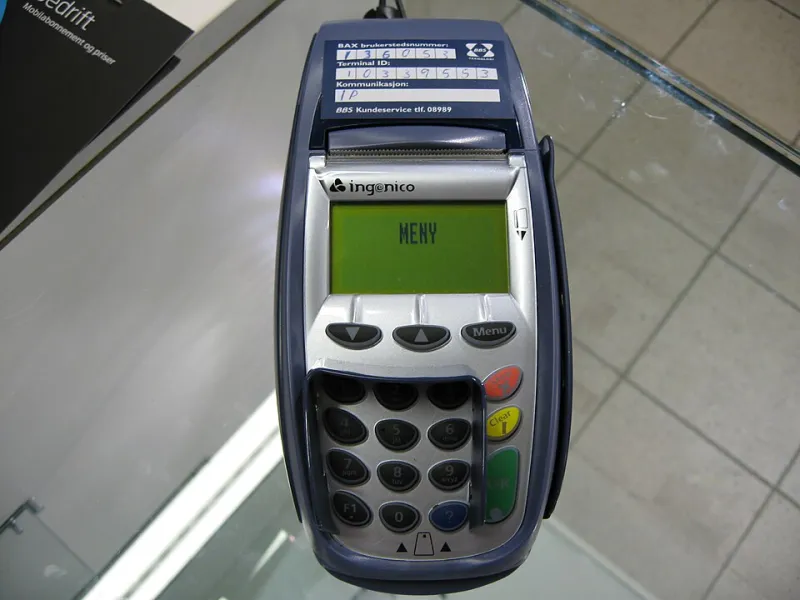
Photo: Missvain, CC0, via Wikimedia Commons
At checkout, buy now, pay later looks like a shortcut. A shopper splits a purchase into four payments, approves a quick application, and leaves with the item. The arrangement can feel separate from a credit card or a loan. In practice, it can create a record that follows the shopper into future underwriting, collection activity, and dispute processes.
The Checkout Illusion
BNPL is often marketed as a budgeting tool rather than a credit product. That framing is understandable. The approval is fast, the schedule is short, and the interface is built into the merchant's checkout. But speed does not mean no assessment. Providers may review identity data, bank account information, device signals, and prior repayment history before approving an installment plan.
The consumer may never see a traditional credit pull. That does not mean the application leaves no trace. Data-sharing arrangements vary widely, and the absence of a hard inquiry is not the same as the absence of a credit consequence.
Who Reports, and What They Report
Credit reporting in the BNPL market is fragmented. Some providers furnish payment data to consumer reporting agencies. Others report only delinquencies, or only certain products, or nothing at all. Some report on-time payments that may help a thin credit file; others focus on missed payments and collections.
The result is uneven. A shopper may have a BNPL history that appears in one file but not another. A lender reviewing a mortgage application may see a collection account from a BNPL provider even if the original purchase never appeared as a tradeline. A different provider may leave no bureau record but still maintain internal account data that affects future approvals.
Applications can also involve soft inquiries, which generally do not affect a credit score, or hard inquiries, which can. The specifics depend on the provider and the product. Shoppers should not assume that a four-payment plan is invisible simply because it does not look like a credit card.
How a Split Payment Can Shape Future Credit
A missed BNPL installment can be sent to collections or reported to a credit bureau. Even when it is not reported, the provider may restrict the account, demand immediate payment, or share the delinquency with the merchant. Future lenders may also ask about BNPL obligations during manual underwriting.
Underwriting models increasingly look at cash flow and recurring obligations. A cluster of BNPL plans can signal financial strain even if each individual payment is small. On-time BNPL payments may help consumers with limited credit history, but only if the provider reports them and the bureau incorporates them into a scoring model. The benefit is not guaranteed.
The Dispute Trail
Returns and refunds are a common source of friction. A shopper returns an item, expects the installment plan to be canceled, and later discovers that a payment is still scheduled. Autopay can make the problem worse. The provider may require confirmation that the merchant processed the return before adjusting the schedule.
Consumers should keep the order confirmation, the payment schedule, the return receipt, and any cancellation notice. If an error appears on a credit file, the consumer can dispute it with the bureau. If the issue is with the BNPL provider, the consumer should contact the provider first and document the response. A chargeback through a card issuer may be available when the purchase was funded by a card, but it can complicate the BNPL account relationship.
The True Cost of Splitting a Purchase
The sticker price is not the total cost. Late fees, rescheduling fees, and interest-bearing installment options can add to the bill. A $600 purchase divided into four payments may feel like $150, but a missed payment can trigger a fee that changes the math. The consumer should compare the BNPL offer with a credit card, a debit card, or simply waiting until the purchase can be paid in full.
Questions to Ask Before You Split
- Does this provider report payment data to credit bureaus?
- Is the application a soft inquiry or a hard inquiry?
- What are the late fees and rescheduling fees?
- Is autopay required, and can the payment date be changed?
- What happens to the plan if the item is returned?
- Will the provider share data with the merchant or other lenders?
The Bottom Line
Buy now, pay later is a credit decision, even when it does not feel like one. The credit-file trail depends on the provider and the product, so consumers should read the terms before approving the plan. A split payment can be useful, but it should be treated as a financial commitment with a record, not as a checkout convenience with no consequences.