Frozen in Dispute: How Payment Processors Hold Your Money Hostage During Chargebacks

Photo: JoachimKohler-HB, CC BY-SA 4.0, via Wikimedia Commons
For most American consumers, a chargeback feels like a consumer protection triumph—a way to reclaim money when a purchase goes wrong. But on the other side of that transaction, a small business owner or independent contractor may be watching their operating funds disappear into a processor's holding account, sometimes for sixty days or longer, with no clear timeline and no compensation for the wait.
This is the mechanics of the modern chargeback system, and it is far more consequential than most people realize.
What Actually Happens When a Dispute Is Filed
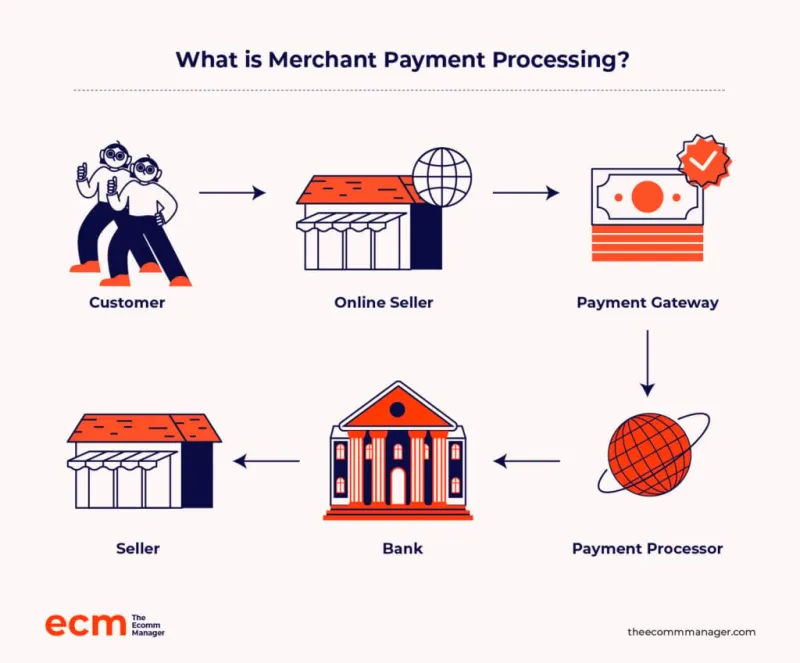
When a cardholder contacts their bank to dispute a charge, the issuing bank notifies the card network—Visa, Mastercard, American Express, or Discover—which in turn communicates with the merchant's payment processor. At that point, the processor typically pulls the disputed funds from the merchant's account immediately, before any investigation has concluded.
The merchant is then notified—sometimes by email, sometimes through a dashboard alert—and given a window, often between seven and thirty days depending on the processor and card network, to submit documentation rebutting the claim. This documentation might include shipping confirmations, signed receipts, communications with the customer, or terms-of-service agreements.
Here is where the process becomes financially punishing: those funds remain frozen throughout the investigation, which can stretch from a few weeks to several months depending on the complexity of the case and the responsiveness of all parties involved.
The Average Freeze Duration—and Why It Varies
The timeline for a chargeback resolution is not standardized across processors, and that inconsistency creates significant uncertainty for merchants.
Visa's official dispute resolution framework allows up to 120 days from the transaction date for a cardholder to file a dispute, and the resolution process itself can take 30 to 45 days once initiated. Mastercard operates under a similar structure. American Express, which acts as both issuer and network in many cases, tends to move faster—sometimes resolving disputes in as few as 15 days—but is also known for favoring cardholders in ambiguous cases.
Third-party processors add another layer of variability. Platforms such as Stripe and Square maintain their own reserve policies and internal review timelines that may extend beyond card network minimums. Stripe, for example, explicitly notes in its documentation that dispute holds can last until the case is fully resolved, which may take 60 to 75 days. PayPal's dispute resolution center can hold funds for up to 30 days for initial claims, but escalated cases can extend considerably longer.
For a freelancer waiting on a $3,000 payment for completed work, or a small retailer with thin inventory margins, these timelines are not abstract—they represent rent, payroll, or the ability to reorder stock.
The Silence Problem
Perhaps more troubling than the duration of these holds is the lack of proactive communication that accompanies them. Most processors notify merchants of a dispute filing, but updates during the investigation period are often minimal or entirely absent unless the merchant actively checks their account dashboard.
This opacity creates a compounding problem. A business owner may know that funds are frozen but have no reliable estimate of when they will be released. Budget planning becomes difficult, and in some cases, businesses draw on credit lines or personal savings to cover the gap—incurring interest costs that no processor will reimburse.
Notably, processors do not pay interest on frozen funds. The money sits in a holding structure, inaccessible to the merchant, while generating no return whatsoever. This arrangement is rarely disclosed prominently during onboarding, and many merchants only discover it when they find themselves in their first dispute.
Who Bears the Greatest Risk
Large enterprises with diversified revenue streams and dedicated finance teams can absorb chargeback holds as a cost of doing business. For everyone else, the calculus is far more precarious.
Freelancers and independent contractors are particularly exposed. A graphic designer, consultant, or software developer who completes a project and receives payment may find that funds are clawed back if a client initiates a dispute—even a potentially fraudulent one. Since many freelance transactions lack the physical delivery confirmation that supports merchant rebuttals, winning a dispute is not guaranteed even when the work was legitimately completed.
Small brick-and-mortar and e-commerce businesses face similar vulnerabilities. The Federal Reserve's 2023 Small Business Credit Survey found that cash flow management remains one of the top operational challenges for small businesses nationwide. Chargeback holds, which can tie up hundreds or thousands of dollars at a time, directly exacerbate that challenge.
Industries with elevated chargeback rates—travel, digital goods, subscription services—face an additional layer of risk: processors may impose rolling reserves, withholding a percentage of all revenue (commonly between 5% and 10%) for a defined period as a buffer against future disputes. This means funds are perpetually delayed, not just during active cases.
The Dispute Resolution Process Is Not Neutral
It is worth understanding that the chargeback system was designed primarily to protect consumers, not merchants. That design intent is reflected in how disputes are adjudicated. The burden of proof rests with the merchant, and in cases where documentation is incomplete or ambiguous, the default outcome typically favors the cardholder.
This asymmetry is not inherently unreasonable—consumer protection matters, and fraud is a genuine concern in digital commerce. But the financial cost of that protection is disproportionately borne by merchants, particularly smaller ones who lack the legal resources or negotiating power to contest processor policies.
Some merchants have begun working with chargeback management firms that specialize in dispute representment—the process of formally contesting a chargeback with supporting evidence. These services typically charge either a flat fee or a percentage of recovered funds, adding yet another cost layer to an already expensive process.
Steps Merchants Can Take to Protect Themselves
While the structural dynamics of chargeback holds are largely outside any individual merchant's control, there are practical measures that can reduce exposure.
First, maintaining meticulous transaction records—including customer communications, delivery confirmations, signed agreements, and IP address logs for digital transactions—strengthens the evidentiary basis for dispute rebuttals.
Second, merchants should review their processor agreements carefully before signing, paying specific attention to reserve policies, hold durations, and dispute notification procedures. These terms vary significantly and are often negotiable for businesses with sufficient volume.
Third, establishing a modest cash reserve dedicated to covering potential chargeback holds can prevent the need to draw on credit during a freeze period. Financial advisors who work with small businesses often recommend maintaining at least 30 days of operating expenses in liquid reserves for precisely this reason.
Finally, merchants experiencing disputes should engage proactively with their processor's support channels rather than waiting for automated updates. While this does not always accelerate resolution, it creates a documented record of the merchant's active participation in the process.
A System That Warrants Greater Transparency
The chargeback mechanism serves a legitimate function in digital commerce. Fraud happens, mistakes occur, and consumers need recourse. But the current implementation—where merchant funds are frozen immediately, communication is often sparse, and timelines are inconsistently applied—creates a system that imposes significant financial hardship on the businesses and individuals least equipped to absorb it.
For payment processors operating in an era where real-time transfers and instant settlements are increasingly standard, the extended hold periods associated with disputes feel increasingly out of step. Greater transparency around timelines, proactive communication during investigations, and clearer disclosure of reserve policies during onboarding would represent meaningful improvements to a process that currently leaves too many merchants in the dark—and in financial difficulty—while their money waits.