Earning While Spending: The Uncomfortable Truth About Cashback and Reward Programs
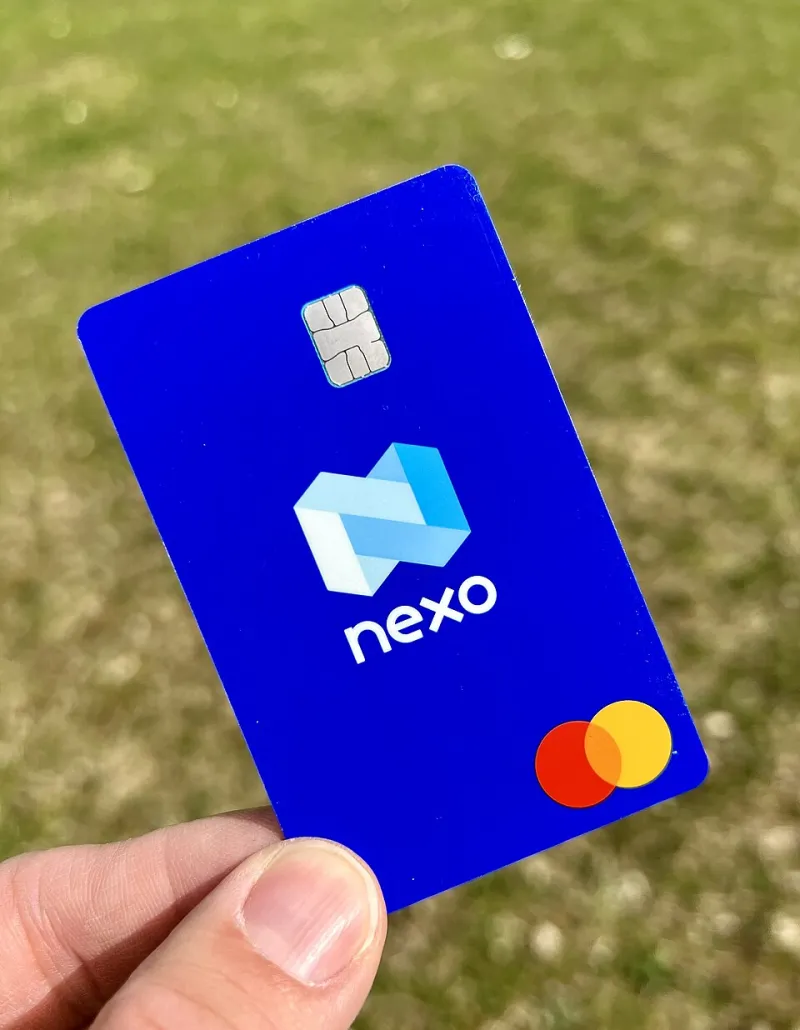
Photo: XoMEoX, CC BY 4.0, via Wikimedia Commons
At first glance, cashback programs appear to be one of the few genuinely good deals in consumer finance. Spend money you were going to spend anyway, earn a percentage back, and come out ahead. It is a compelling narrative—and a remarkably durable one. But a closer examination of how these programs are structured, marketed, and monetized reveals a more complicated picture, one in which the house almost always wins.
This is not an argument that all reward programs are worthless. Some genuinely deliver value to disciplined, informed users. The goal here is to separate those programs from the ones engineered primarily to increase spending, obscure fees, and manufacture a sense of financial gain where little or none exists.
The Psychology Before the Math
Before examining the numbers, it helps to understand why cashback programs work so effectively as marketing instruments. Research in behavioral economics consistently demonstrates that the prospect of a reward—even a small one—alters spending behavior. Consumers presented with cashback incentives tend to spend more per transaction, make purchases they might otherwise defer, and feel less financial discomfort at checkout.
This is not accidental. Financial product designers invest heavily in understanding how reward framing influences consumer psychology. The language alone—"earn," "reward," "bonus"—positions spending as a productive activity rather than a cost. When your payment app tells you that you "earned" $4.50 last month, it rarely contextualizes that figure against the fees, interest, or behavioral shifts that made it possible.
What Cashback Actually Costs the System—And Who Pays
Credit card reward programs are not funded by goodwill. They are funded primarily through interchange fees—the small percentages merchants pay every time a customer swipes a card. Premium rewards cards typically carry higher interchange rates, which means that merchants absorb a larger cost per transaction. Many of those merchants respond by building those costs into their pricing, effectively spreading them across all customers—including those who pay with cash or debit.
For consumers carrying rewards cards, this creates a partial subsidy cycle: the cashback you receive is, in part, drawn from a system that charges merchants more and may inflate retail prices slightly across the board. The net transfer of value is not from the card issuer to you—it is from the broader consumer base to rewards card holders, with the issuer extracting a margin throughout.
Payment apps that offer cashback function through similar mechanics, though the funding structures vary. Some apps negotiate merchant-funded offers, where the cashback comes directly from a retailer's marketing budget rather than a fee pool. These tend to be more straightforward value exchanges. Others rely on interchange revenue from co-branded debit products or monetize user spending data in ways that are disclosed only in fine print.
The Interest Trap Hiding Inside the Reward Structure
The most significant mathematical problem with cashback programs is their interaction with revolving credit balances. A card offering 2% cashback on all purchases sounds appealing—until you factor in a 24% annual percentage rate on an unpaid balance.
Consider a straightforward example: a consumer charges $1,000 in a billing cycle, earns $20 in cashback, and carries that balance for one month before paying it off. At a 24% APR, one month of interest on $1,000 amounts to roughly $20. The cashback and the interest cost effectively cancel each other out—and that assumes only a single month of carrying the balance. Consumers who carry balances for multiple months are, in effect, paying for the privilege of earning rewards.
Card issuers understand this dynamic well. Reward cards are disproportionately profitable from customers who carry balances, because those customers pay interest that far exceeds the cost of the rewards program. The cashback offer is, in part, a tool for acquiring and retaining customers who will generate interest revenue.
Foreign Transaction Fees and the Rewards Mirage Abroad
For consumers who travel or shop internationally, the reward calculation becomes even less favorable. Many cashback cards that appear competitive domestically carry foreign transaction fees of 1% to 3% per purchase. A card earning 1.5% cashback on all purchases effectively earns nothing—or loses ground—when used outside the United States.
Some premium travel cards waive foreign transaction fees, but they typically come with annual fees that require substantial spending to justify. A card charging $95 per year and offering 2% cashback requires $4,750 in annual spending just to break even on the annual fee before any net reward is realized. At $10,000 in annual spending, the effective cashback rate after the fee drops to roughly 1.05%—a figure that sounds less impressive on a marketing brochure.
Redemption Complexity and Value Erosion
Points-based reward systems introduce an additional layer of opacity. Unlike flat cashback percentages, point valuations fluctuate based on redemption category, program changes, and issuer discretion. Points earned today may be worth less tomorrow if an issuer adjusts its redemption tables—a practice that is entirely within the terms most consumers agree to without reading.
The most favorable redemptions—typically travel bookings through a card's proprietary portal—often require specific booking behaviors that limit flexibility and may not represent the best available price. When consumers redeem points for gift cards, merchandise, or statement credits, the per-point value frequently drops below the rate at which points were advertised as being earned.
Where Cashback Programs Genuinely Deliver
None of this is to suggest that cashback programs are universally harmful. For consumers who pay their balances in full each month, use cards with no annual fees or fees that are clearly justified by usage patterns, and avoid behavioral changes in their spending, a straightforward cashback card can provide modest, real value.
Flat-rate cashback cards—those offering a consistent percentage on all purchases without rotating categories or activation requirements—tend to be the most transparent. Cards that offer merchant-funded cashback through payment apps, where the rebate comes from a retailer's promotional budget rather than a fee pool, represent a cleaner value exchange. In both cases, the consumer benefit is more direct and less contingent on behavioral conditions the issuer controls.
Making Smarter Decisions With Payment Rewards
The standard advice in personal finance—read the fine print, pay your balance in full, calculate the true cost of annual fees—remains valid. But the more useful framing may be to approach cashback programs not as income streams, but as conditional discounts that carry behavioral and financial prerequisites.
Before selecting a rewards card or payment app based on its cashback offer, consider the following: What is the APR, and what happens to the reward math if you carry a balance even once? Does the card charge foreign transaction fees? Is there an annual fee, and does your actual spending justify it? Are the reward categories aligned with how you genuinely spend, or will you change your spending to chase them?
The answers to those questions will tell you more about a program's real value than its headline cashback rate ever will.
At ITOnlinePay, our view is simple: smart payment decisions require understanding not just what a product promises, but how it is designed to make money. Cashback programs are legitimate financial products—but they are also carefully engineered ones. Knowing the difference between a reward and a retention strategy is the first step toward using these tools on your own terms.