Fewer Choices, Higher Stakes: How Payment Giants Are Quietly Controlling Your Financial Life
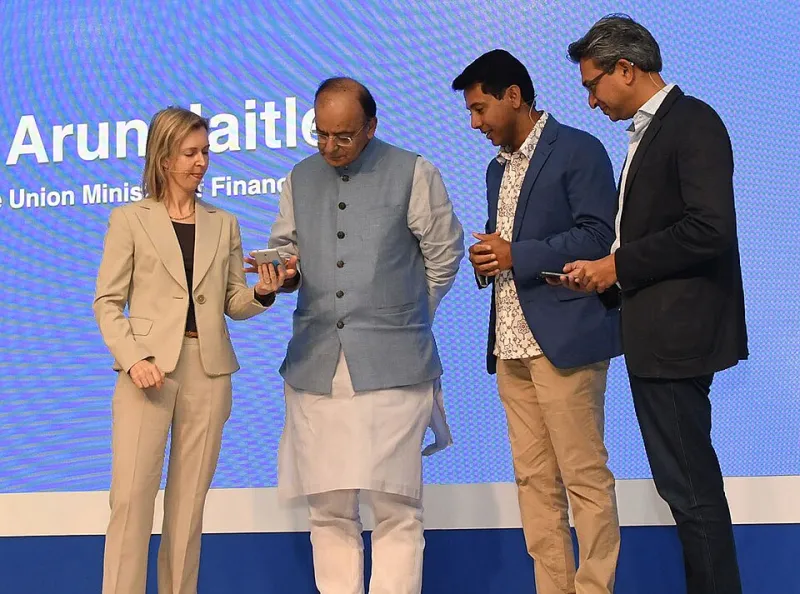
Photo: Ministry of Finance of India, GODL-India, via Wikimedia Commons
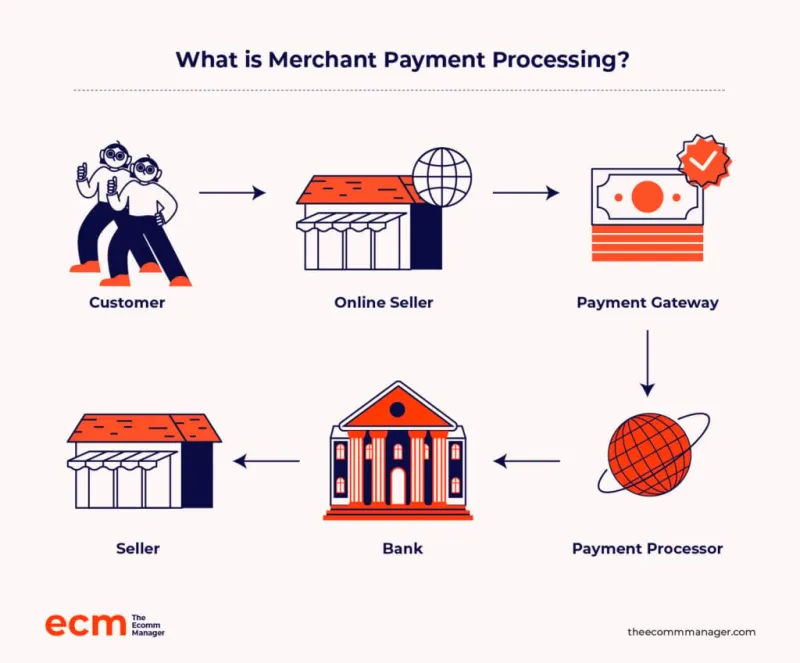
For most Americans, paying for something digitally feels like a matter of personal preference. You tap your phone, open an app, or click a button at checkout. The transaction completes in seconds. What happens beneath that frictionless surface, however, is far more consequential—and increasingly, it is being shaped by a very small number of companies.
The US digital payments ecosystem, once celebrated for its diversity and competitive energy, is consolidating at a pace that warrants serious attention. A handful of mega-platforms—PayPal, Block (formerly Square), and Stripe among the most prominent—have expanded their reach well beyond simple transaction processing. They now offer lending products, business banking tools, payroll solutions, and consumer-facing financial services. The result is a landscape in which genuine alternatives are becoming harder to find, and the leverage these companies hold over both businesses and individuals continues to grow.
How We Arrived at a Concentrated Market
The consolidation of digital payments did not happen overnight. It accelerated through a combination of aggressive acquisition strategies, network effects, and the natural advantages that scale provides in financial technology.
PayPal, for instance, has absorbed Venmo, Braintree, Honey, and a range of smaller fintech companies over the past decade. Each acquisition extended its reach into a new segment of the market—peer-to-peer transfers, merchant processing, consumer shopping behavior, and beyond. Block similarly expanded from a mobile card reader for small businesses into a sprawling ecosystem that includes Cash App, Afterpay, and business banking services. Stripe, while remaining private, processes payments for a significant portion of the internet economy and has steadily expanded into financial infrastructure that many businesses now depend on entirely.
Smaller competitors have struggled to survive in this environment. Building a payment network requires trust, regulatory compliance, banking partnerships, and substantial capital—barriers that favor incumbents. When promising startups do emerge, they frequently become acquisition targets rather than lasting independent players.
What Consolidation Means for Fees
One of the most direct consequences of reduced competition is pricing power. When a business has limited alternatives for processing payments, the dominant platforms have less incentive to compete aggressively on cost.
Processing fees, which may appear modest on any single transaction, accumulate significantly at scale. A small business processing $500,000 annually at a standard 2.9% plus $0.30 per transaction rate pays roughly $14,500 in fees before accounting for any additional charges. Chargeback fees, instant payout premiums, and currency conversion costs add further layers.
For consumers, the fee exposure is often less visible but no less real. Instant transfer fees, foreign transaction surcharges, and charges for accessing certain account features have become standard practice across major platforms. Because the dominant players tend to mirror one another's pricing structures, the competitive pressure that might otherwise drive these costs down is weakened.
Security Concentration Creates Systemic Risk
Beyond fees, the concentration of financial activity within a small number of platforms introduces a different category of concern: systemic vulnerability.
When millions of Americans store funds, link bank accounts, and conduct transactions through the same handful of services, a security breach or platform outage carries consequences that extend far beyond any single user. The 2021 data exposure incident involving a major peer-to-peer payment platform, which affected tens of millions of accounts, illustrated how the scale that makes these companies powerful also makes their failures broadly damaging.
Platform-level account freezes present another dimension of risk. Users of dominant payment apps have reported having their accounts restricted or permanently closed with limited recourse—particularly problematic for small business owners who rely on these platforms as their primary payment infrastructure. When there are fewer alternatives, the consequences of losing access to a single platform become more severe.
Innovation Under Pressure
Proponents of market consolidation sometimes argue that large, well-resourced companies are better positioned to invest in innovation. There is a degree of truth to this in the payments space—the major platforms have introduced genuine technological improvements, from faster settlement times to more sophisticated fraud detection.
However, consolidation also tends to reduce the urgency of innovation. Smaller, independent payment companies historically drove some of the most significant shifts in the industry precisely because they needed to differentiate themselves to survive. As that competitive pressure diminishes, the pace and direction of innovation increasingly reflects the priorities of dominant incumbents rather than the needs of underserved consumers and businesses.
The treatment of cryptocurrency integration offers one illustrative example. Major platforms have approached digital currency payments cautiously, in part because full integration would disrupt existing revenue streams tied to traditional transaction processing. Independent fintech companies, by contrast, have moved more aggressively to develop practical crypto payment tools.
What Consumers and Small Businesses Can Do
Navigating a consolidated payment landscape requires a more deliberate approach to financial decision-making than most Americans currently apply.
Diversify your payment infrastructure. Relying on a single platform for all transactions—whether as a consumer or a business owner—concentrates your exposure. Maintaining accounts across multiple services, including credit unions and community banks that offer digital payment tools, provides meaningful protection if one platform restricts access or changes its terms.
Read fee disclosures carefully before committing. The major platforms are required to disclose their fee structures, but these disclosures are often buried in lengthy terms-of-service documents. Before accepting a platform as your primary payment solution, invest time in understanding exactly what you will be charged for instant transfers, currency conversions, chargebacks, and account maintenance.
Support and evaluate regional and independent alternatives. Several smaller payment processors and digital banking platforms continue to operate independently, often with more competitive fee structures and more responsive customer service. While they may lack the brand recognition of dominant players, they represent genuine alternatives worth evaluating.
Monitor regulatory developments. The Federal Trade Commission and Department of Justice have both signaled increased scrutiny of consolidation in financial technology. Proposed regulatory frameworks around open banking, which would require dominant platforms to make consumer financial data portable to competing services, could meaningfully shift the competitive balance if enacted.
The Broader Implications
The consolidation of digital payments is not simply a business story. It is a story about financial autonomy—about who controls the infrastructure through which Americans earn, spend, save, and transfer money.
When that infrastructure is concentrated in the hands of a small number of private companies, the terms on which ordinary people access the financial system are set by those companies, not by competitive market forces or democratic accountability. Fee increases, policy changes, and access restrictions become decisions made in corporate boardrooms rather than outcomes shaped by genuine consumer choice.
Smarter financial decisions begin with understanding the systems through which your money moves. In an era of accelerating consolidation, that understanding has never been more important—or more difficult to acquire without deliberate effort.