Paying with Bitcoin Sounds Simple—Until You See the Bill

Photo: cryptocurrency bitcoin conversion fees digital wallet payment, via www.cloudwards.net
Cryptocurrency has spent the better part of a decade being positioned as the future of money—decentralized, borderless, and free from the fee structures that traditional financial institutions impose. For millions of Americans who hold digital assets, the logical next step seems obvious: spend them. Whether through a crypto-linked debit card, a peer-to-peer transfer, or a direct point-of-sale conversion, using Bitcoin, Ethereum, or stablecoins for everyday purchases appears seamless on the surface.
The reality, however, is considerably more expensive. When consumers look closely at the full cost stack associated with converting digital assets into spendable U.S. dollars—or triggering a taxable conversion event at the register—the "cheaper alternative" narrative begins to unravel.
The Conversion Fee Layer Most Users Overlook
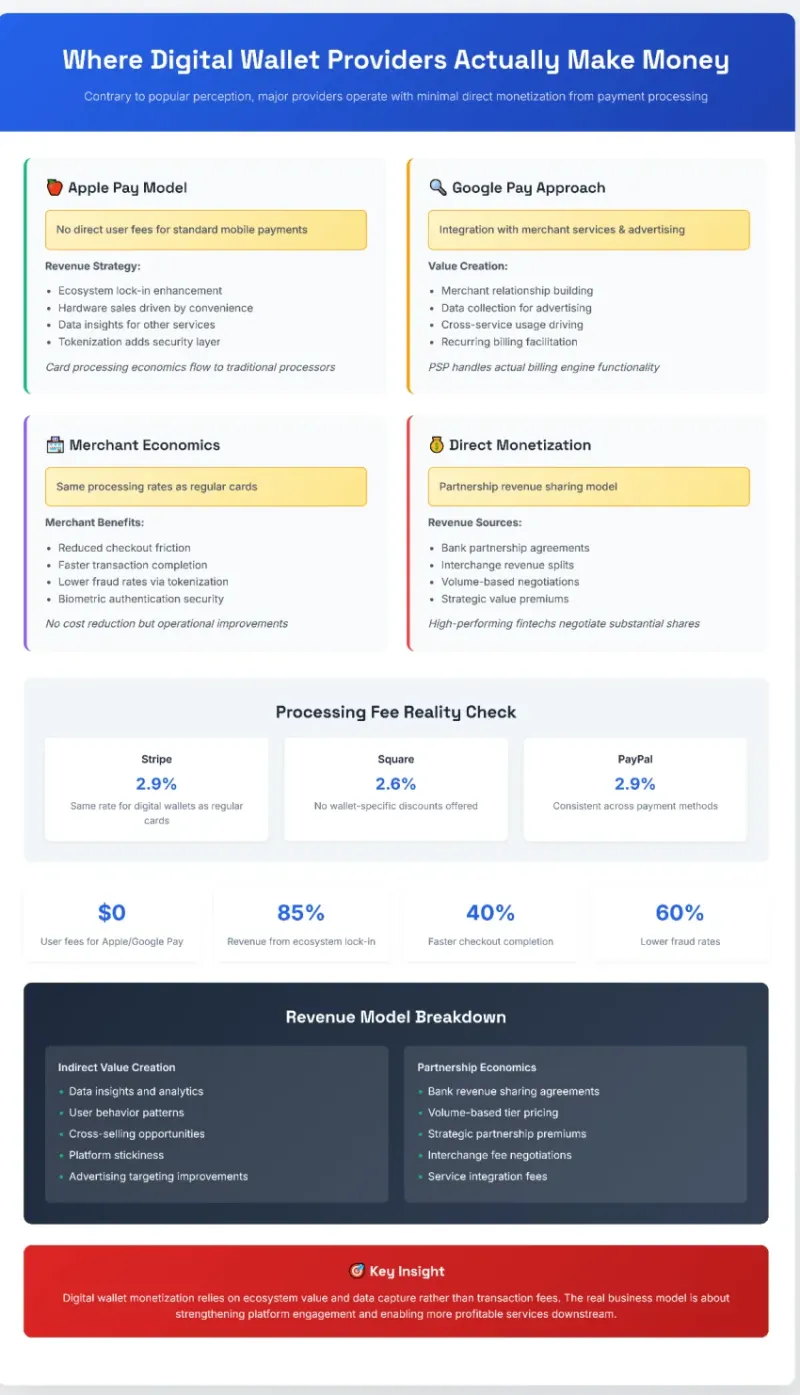
Every time a consumer uses a crypto-linked payment card or converts digital assets through an exchange platform, a conversion fee is applied. On major platforms, these fees typically range from 1.5% to 3.5% of the transaction value. Coinbase, for example, charges a spread of approximately 2% on conversions, while Crypto.com applies a similar markup depending on the user's membership tier.
For context, the average credit card processing fee in the United States sits between 1.5% and 3.5%—a range that already draws criticism from merchants and consumers alike. Crypto conversion fees occupy that same band, meaning the cost advantage that digital asset proponents frequently cite simply does not exist at the point of transaction.
What makes this more consequential is that crypto conversion fees are applied on top of any network or gas fees associated with moving assets between wallets prior to conversion. On the Ethereum network, gas fees fluctuate based on network congestion and can range from a few cents to several dollars per transaction. During periods of high activity, a $50 purchase could realistically incur $4 to $6 in combined fees before the exchange spread is even considered.
The Tax Event Nobody Mentions at the Register
Perhaps the most significant—and least discussed—cost of using cryptocurrency as a payment method is the tax liability it generates. Under current IRS guidance, cryptocurrency is classified as property, not currency. This means that every time a consumer converts crypto to dollars or uses it to purchase goods and services, the transaction is treated as a taxable disposal event.
If a consumer purchased one Bitcoin at $20,000 and later uses a portion of that holding to pay for a $500 appliance when Bitcoin is valued at $60,000, they have realized a capital gain on that portion of the asset. That gain is subject to federal capital gains tax—either at the short-term rate (ordinary income, which can reach 37%) or the long-term rate (0%, 15%, or 20% depending on income), depending on how long the asset was held.
For everyday transactions, this creates a recordkeeping obligation that most consumers are wholly unprepared for. Each purchase requires documentation of the asset's cost basis, the fair market value at the time of disposal, and the resulting gain or loss. The IRS has made clear that failure to report these events is treated the same as any other unreported income.
Traditional payment methods—debit cards, credit cards, ACH transfers—generate no such obligation. A $500 debit card purchase is simply a $500 debit card purchase.
Exchange Rate Spreads and the Markup Beneath the Markup
Beyond stated conversion fees, cryptocurrency exchanges and payment processors typically apply a spread between the market price of an asset and the rate at which they execute a consumer's conversion. This spread is not always disclosed transparently and can represent an additional 0.5% to 1.5% cost embedded within the quoted exchange rate.
This practice is not unique to crypto—foreign exchange providers use similar mechanics—but it compounds the cost structure for consumers who believe they are transacting at market rates. A consumer converting $1,000 worth of Ethereum through a payment app may receive an effective rate that is 1% to 2% below the live market price, with no line-item disclosure on the transaction receipt.
Stablecoins, which are pegged to the U.S. dollar and often marketed as a solution to volatility, do not entirely escape this dynamic. While the exchange rate spread is narrower for stablecoin conversions, platform fees and gas costs still apply, and the tax treatment remains the same under IRS rules.
How Traditional Fintech Solutions Compare
When measured against established digital payment infrastructure, the cost profile of crypto-based transactions is difficult to justify for routine spending. A consumer using a high-cashback credit card—many of which offer 2% flat-rate rewards on all purchases—effectively pays a negative transaction cost when accounting for the rebate. ACH transfers between bank accounts remain free or near-free for the majority of American consumers. Even peer-to-peer platforms like Zelle, which operates within the existing banking system, facilitate instant transfers at no cost to the end user.
Crypto payment advocates correctly note that cross-border transactions represent a use case where digital assets can offer genuine cost advantages, particularly for remittances to regions with limited banking infrastructure. But for domestic, dollar-denominated purchases—which constitute the overwhelming majority of American consumer spending—the math consistently favors conventional payment rails.
Making a Smarter Payment Decision
None of this is to suggest that cryptocurrency lacks value as an asset class or that digital assets will not eventually find a more efficient role in the payments ecosystem. Legislative developments, improvements in layer-2 blockchain technology, and evolving IRS guidance may meaningfully alter the cost structure in coming years.
For now, however, American consumers who hold digital assets should approach crypto-based payments with the same analytical rigor they would apply to any financial product. Before using a crypto debit card or triggering a conversion event, it is worth calculating the full cost: the exchange spread, the platform fee, any applicable gas costs, and the potential tax liability based on the asset's cost basis.
Smart payments require smart accounting. In many cases, the most cost-effective way to spend is still the most conventional one.